FAQs
Frequently Asked Questions
How do tattoo deposits usually work?
Tattoo deposits are a standard way to secure an appointment. They’re paid when booking and deducted from the final price on the day of your session. Most studios use deposits to cover design time, preparation and your reserved booking slot. At Pins and Needles Tattoo, a $50 deposit applies to small tattoos and a $100 deposit applies to large pieces. Deposits are non-refundable but can usually be transferred to a new date if you reschedule with at least 24 hours’ notice. Paying a deposit confirms your commitment and helps your artist prepare for your session.
What happens if I need to cancel or reschedule my appointment?
If you can’t make your appointment, giving at least 24 hours’ notice is important. This allows enough time for another client to take your spot and helps you keep your deposit. Late cancellations or no-shows often mean losing that deposit entirely, as artists still spend time preparing sketches and equipment. Most studios are happy to reschedule your booking when given adequate notice. Calling ahead as soon as you know you’ll need to change the date is always the best approach.
Do I need to bring ID for a tattoo appointment?
Yes, most tattoo studios require valid photo identification before any session begins. This confirms your age and identity for safety and legal reasons. Accepted forms of ID include a driver’s licence, passport or proof of age card. The minimum age for tattoos varies by state, but in Queensland, clients must be at least 18 years old. Bringing ID helps prevent any delays or disappointment on the day of your appointment, especially if it’s your first visit to the studio.
How do I know if a tattoo studio is safe and hygienic?
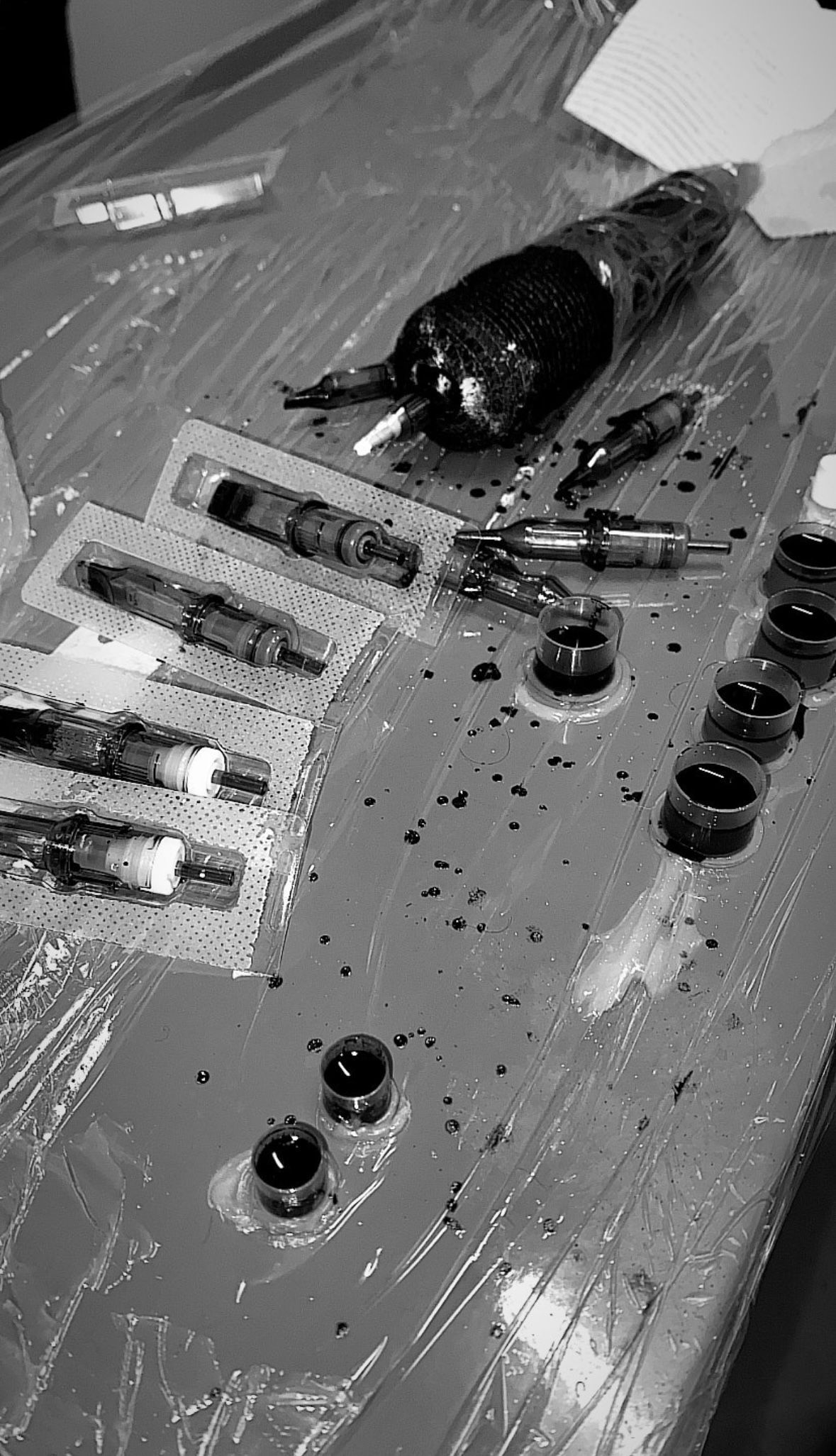
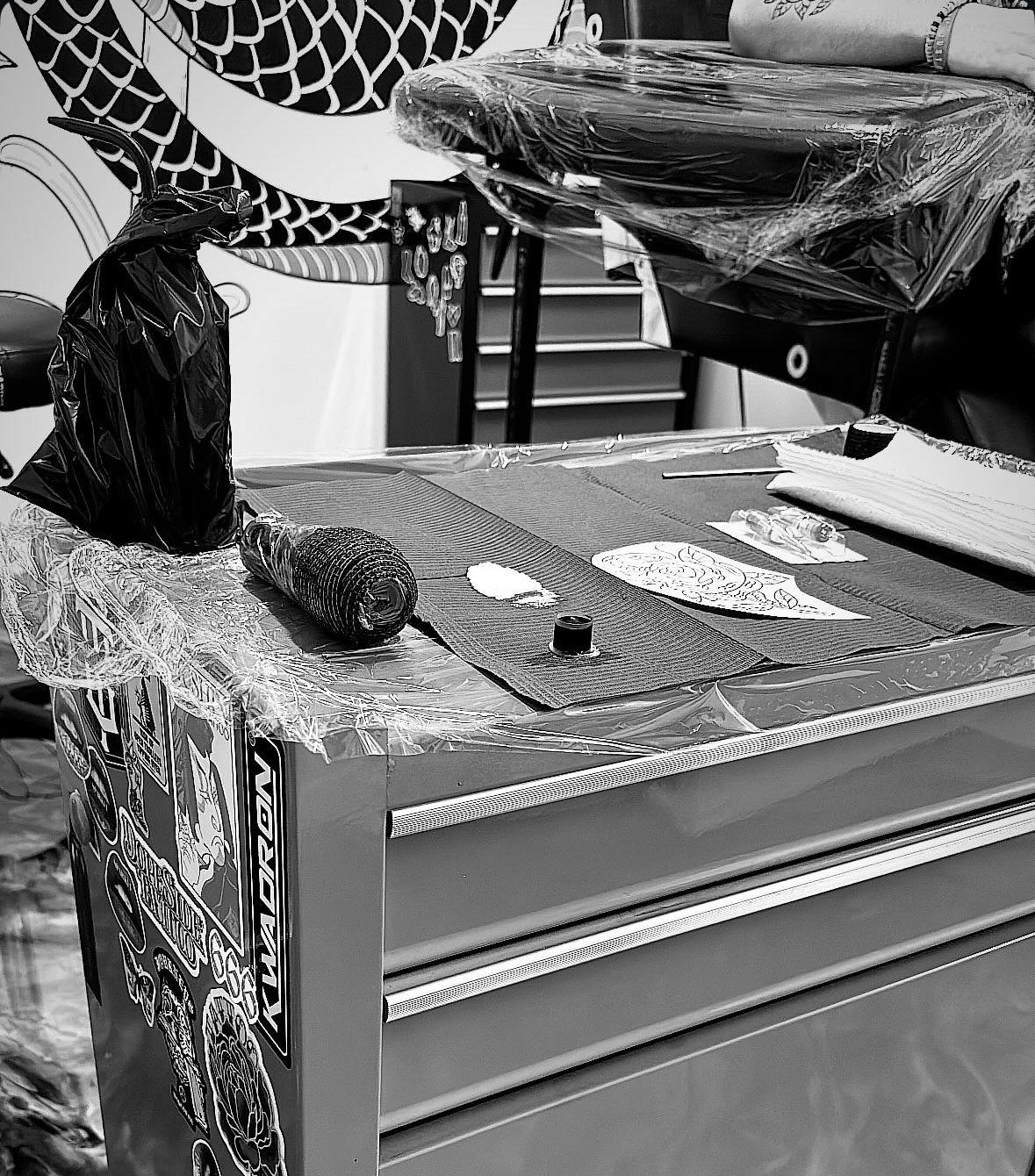
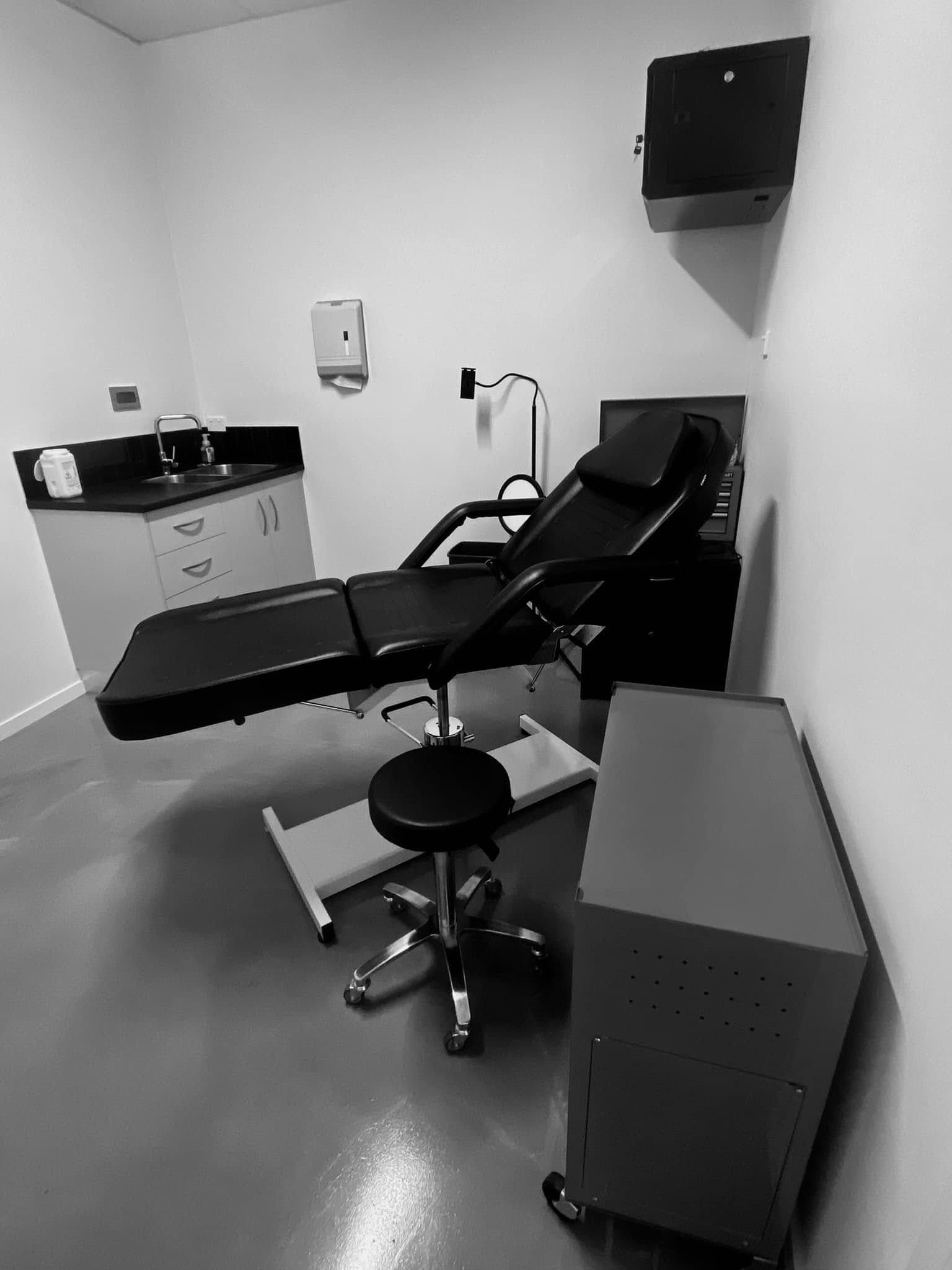
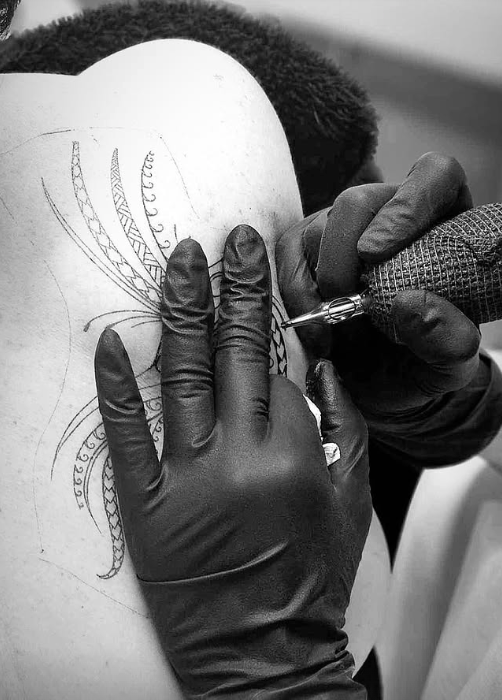
A safe studio follows strict hygiene practices every time. Artists should wear new gloves for each client, use single-use needles and disinfect all surfaces after every session. Equipment must be sterilised, and ink should be dispensed into disposable caps. Cleanliness should be visible the moment you walk in — from tidy stations to well-organised tools. Reputable studios are happy to explain their sterilisation process or show their hygiene certifications if you ask.
What’s the best way to care for a tattoo during healing?
Proper aftercare keeps your tattoo bright and helps it heal smoothly. Keep the area clean with gentle, fragrance-free soap and pat it dry with a clean towel. Avoid swimming, heavy sweating or direct sunlight for the first few weeks. Moisturise lightly with an approved product to prevent itching and dryness, but don’t overdo it — the skin needs to breathe. Following professional aftercare advice reduces scabbing, keeps colours vibrant and lowers the risk of infection, ensuring your tattoo heals beautifully.
How do I prepare for my tattoo appointment?
Preparation starts the day before. Make sure you’re well-rested, hydrated and have eaten before your appointment. Avoid alcohol or blood-thinning medication for at least 24 hours prior. Wear comfortable clothing that allows easy access to the area being tattooed, and bring photo ID if required. It’s also good to have reference images or examples of the style you like, even if they’re just for inspiration. Most importantly, relax — a good artist will walk you through every step so you feel comfortable.
Do tattoos hurt, and can I do anything to make it easier?
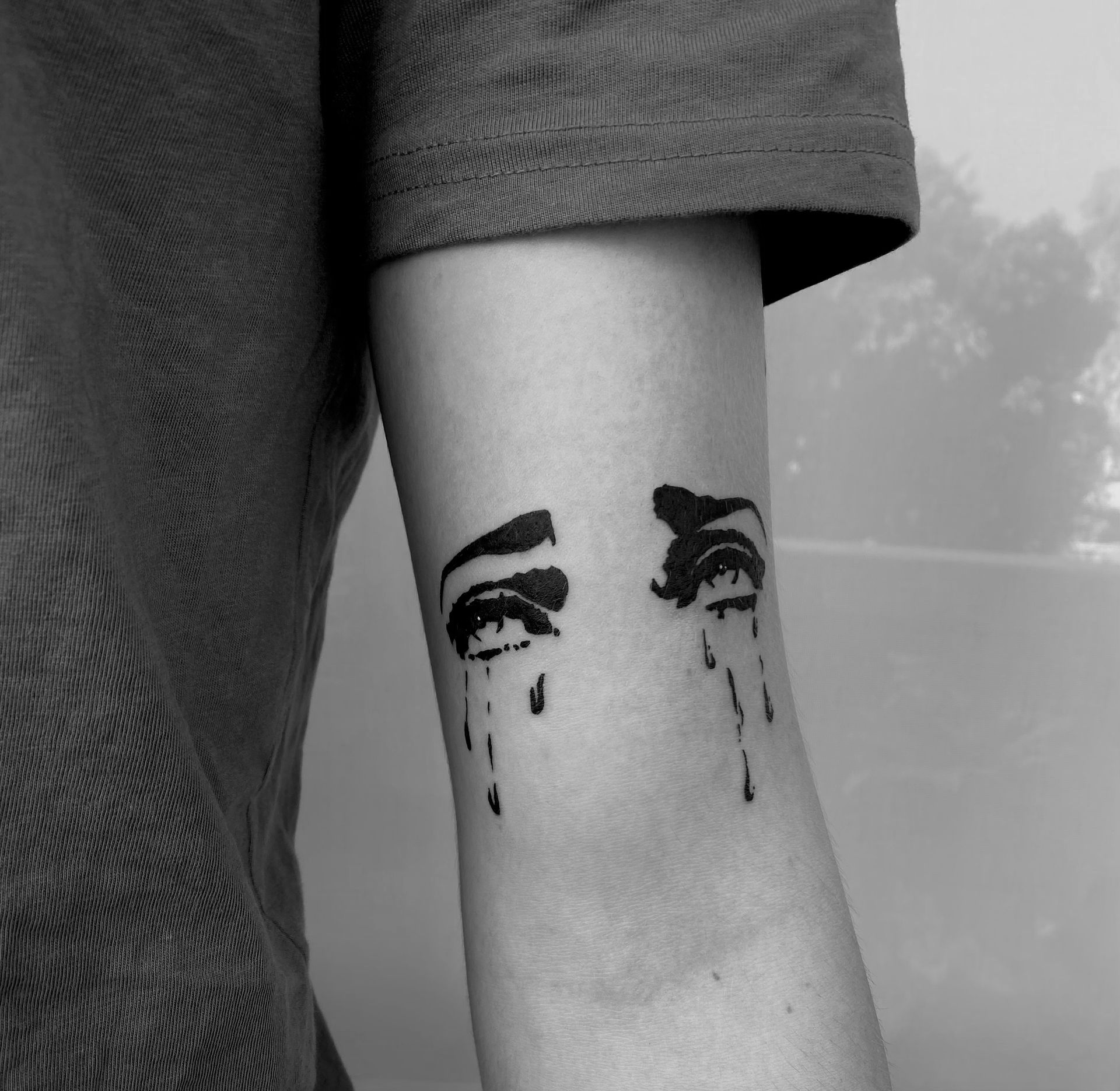
Everyone experiences pain differently, but most describe the sensation as a scratch or mild burning feeling. Areas with thinner skin or more bone tend to be more sensitive. To help reduce discomfort, stay hydrated, eat beforehand and take breaks when needed. Numbing creams can sometimes be used, but it’s best to ask your artist first. Keeping calm and breathing steadily also helps more than you might think — nerves tend to fade once the session starts.
How long does a tattoo take to heal?
Healing usually takes two to four weeks, depending on size and placement. During this time, keep the tattoo clean, avoid direct sunlight, swimming and heavy sweating. Follow the aftercare instructions your artist provides — typically gentle washing, pat-drying and applying a recommended moisturiser. Don’t pick or scratch the area as it heals. Once the skin has settled, continue protecting your tattoo with sunscreen to keep colours vibrant and lines sharp.


